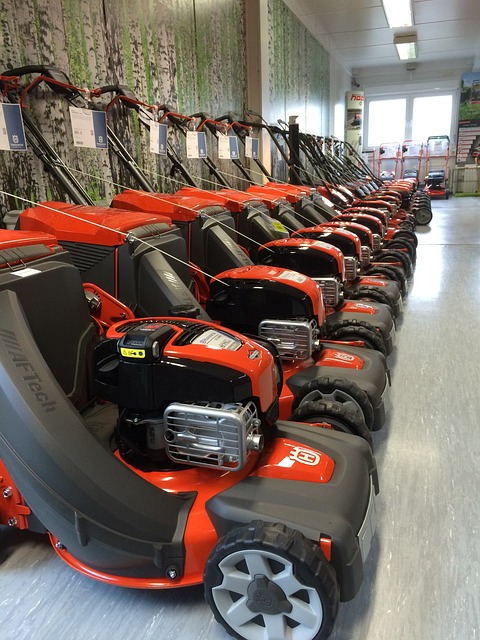
In the realm of outdoor equipment, few tools are as iconic and widely recognized as the Husqvarna lawn mower. This Swedish-engineered machinery has become a staple in homes, neighborhoods, and commercial landscapes worldwide. Beyond its visible presence in our surroundings, the Husqvarna lawn mower represents a complex interplay of design, technology, business strategy, and environmental considerations. This article aims to delve into the multifaceted world of Husqvarna lawn mowers, exploring their history, global impact, technological innovations, regulatory landscape, and future prospects. By the end of this comprehensive analysis, readers will have a profound understanding of this ubiquitous machine and its significance in modern society.
Understanding Husqvarna Lawn Mower: A Historical Perspective
The Husqvarna lawn mower, part of the larger Husqvarna Group, traces its roots back to 1689 when the Swedish company was founded by Johannes Husqvarna, a blacksmith from Östervik, Sweden. Initially, Husqvarna focused on ironworks and metal products, but in the early 20th century, they began manufacturing hand-powered lawn mowers. The first electric lawn mower was introduced in 1937, marking a significant milestone in lawn care technology.
Core Components:
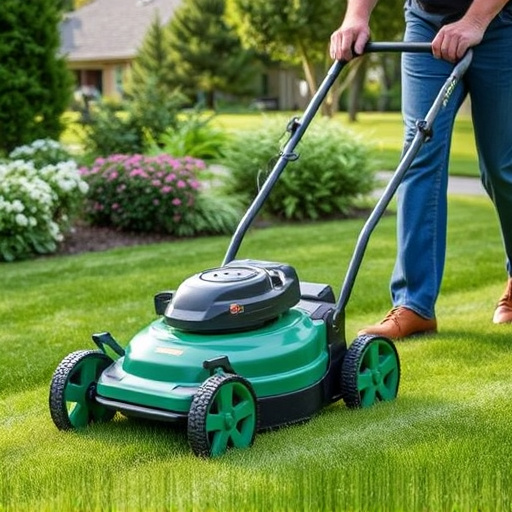
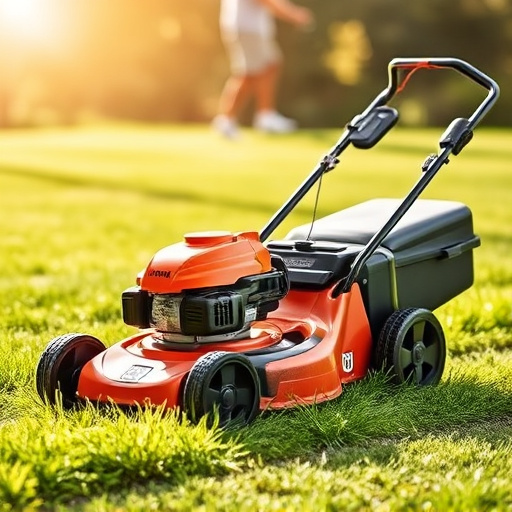
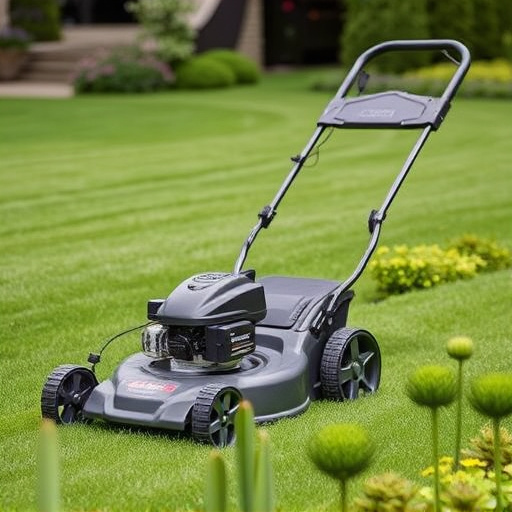
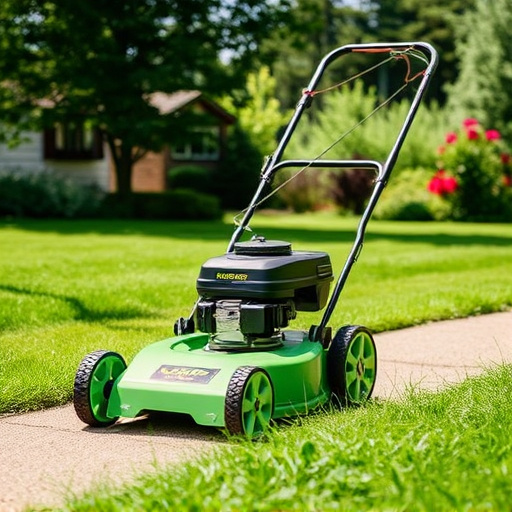
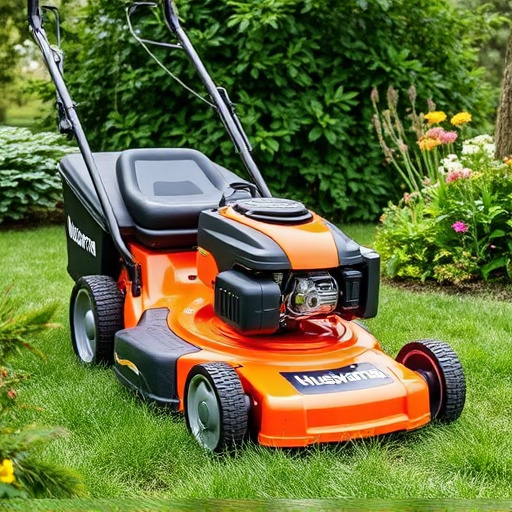
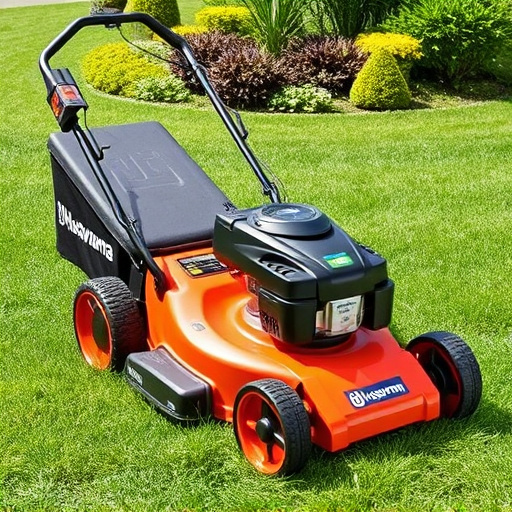
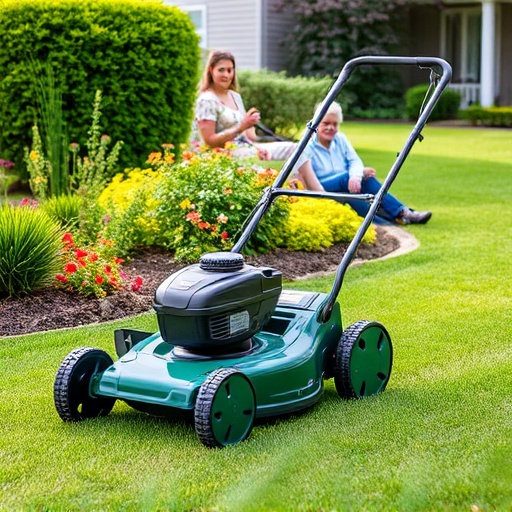
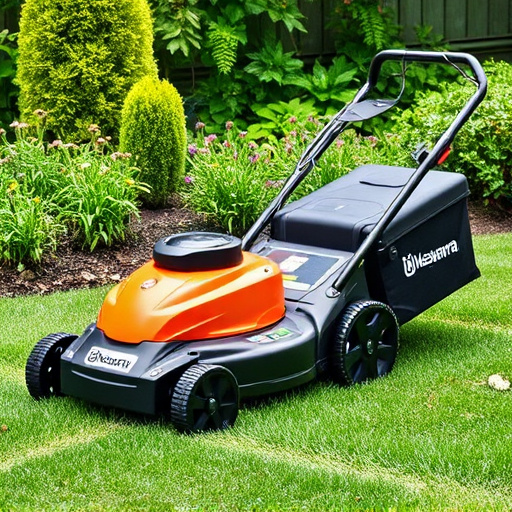
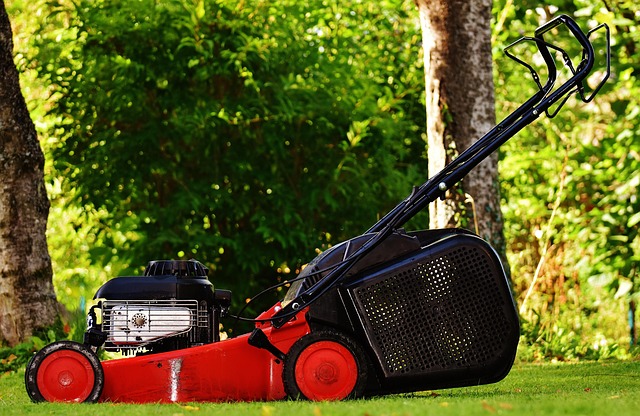
Motor: The heart of any Husqvarna lawn mower is its motor, which can be gas or electric powered. Gas engines offer greater torque and suitable for larger properties, while electric motors are more environmentally friendly and quieter.
Cutting Deck: This is the portion that does the actual cutting, featuring a set of blades that rotate to trim grass. Cutting decks vary in size and design, catering to different lawn sizes and user preferences.
Handle and Controls: The handle allows operators to steer the mower, while controls govern speed and cutting height adjustment.
Transmission System: This system transfers power from the motor to the cutting deck, ensuring smooth and efficient mowing.
Global Impact and Trends
The Husqvarna lawn mower’s global influence is profound, with a significant market presence in Europe, North America, Asia-Pacific, and Latin America. According to a 2021 market report, the global lawn mower market size was valued at USD 3.5 billion in 2020, projected to grow at a CAGR of 4.8% from 2021 to 2028. Husqvarna, as a leading brand, has capitalized on this growth through strategic expansions and product innovations.
Regional Trends:
North America: Known for its lush lawns and extensive landscaping, the United States is the largest market for lawn mowers globally. Husqvarna has established strong partnerships with local distributors and adapted their products to meet the region’s specific needs.
Europe: With a high density of homeowners and stringent environmental regulations, Europe represents a significant opportunity for Husqvarna. The company has leveraged its heritage in sustainable practices to appeal to eco-conscious consumers.
Asia-Pacific: Rapid urbanization and increasing disposable incomes have fueled the demand for lawn care equipment in this region. Husqvarna has targeted emerging markets like India and China with affordable, yet high-quality mowers.
Latin America: The region’s warm climate and outdoor lifestyle drive lawn mower sales. Husqvarna has tailored its marketing strategies to resonate with local cultures and preferences.
Economic Considerations
The economic aspects of the Husqvarna lawn mower industry are multifaceted, encompassing market dynamics, supply chains, and employment opportunities.
Market Dynamics:
Competition: The lawn mower market is highly competitive, with brands like Honda, John Deere, and Toro vying for market share. Husqvarna differentiates itself through product innovation, customer service, and targeted marketing campaigns.
Pricing Strategies: Pricing varies based on mower type (gas vs. electric), cutting deck size, brand reputation, and additional features. Premium models command higher prices due to enhanced performance and advanced technology.
Sales Channels: Husqvarna utilizes a combination of online retailers, home improvement stores, and specialized lawn care centers for distribution. This multi-channel approach ensures accessibility and convenience for consumers.
Investment Patterns:
Research and Development (R&D): Husqvarna invests significantly in R&D to stay ahead in technology and innovation. This includes advancements in motor efficiency, quieter operation, and smart connectivity features.
Manufacturing Facilities: The company operates multiple manufacturing plants globally, allowing for local production and efficient supply chain management.
Distribution Network: Expanding its distribution network has been a strategic focus, ensuring product availability across various markets.
Employment Impact:
The Husqvarna lawn mower industry contributes to employment opportunities in manufacturing, sales, marketing, and after-sales service sectors. According to the International Labour Organization (ILO), the global landscaping and ground maintenance services sector employed approximately 128 million people in 2020, highlighting the industry’s significance in creating jobs.
Technological Advancements
Technological innovations have been a cornerstone of Husqvarna’s success, enhancing mower performance, user experience, and environmental sustainability.
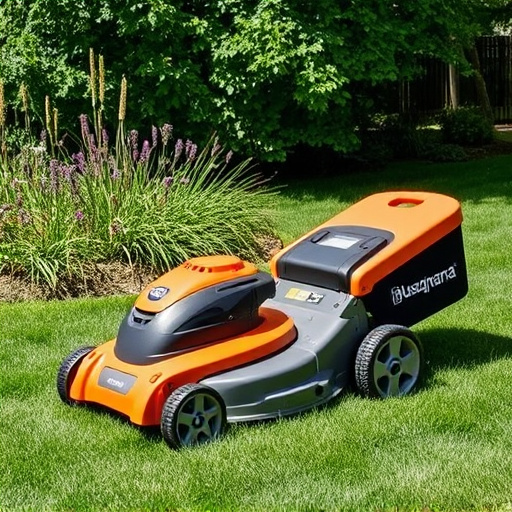
Electric Motors: The introduction of electric lawn mowers has been a significant trend, driven by growing environmental concerns and stricter noise regulations. Husqvarna offers a range of electric mowers with powerful motors, long battery life, and eco-friendly features.
Smart Connectivity: Modern Husqvarna mowers are equipped with smart connectivity technologies, allowing users to control and monitor their lawn care from a smartphone app. Features include scheduling, location tracking, and remote diagnostics.
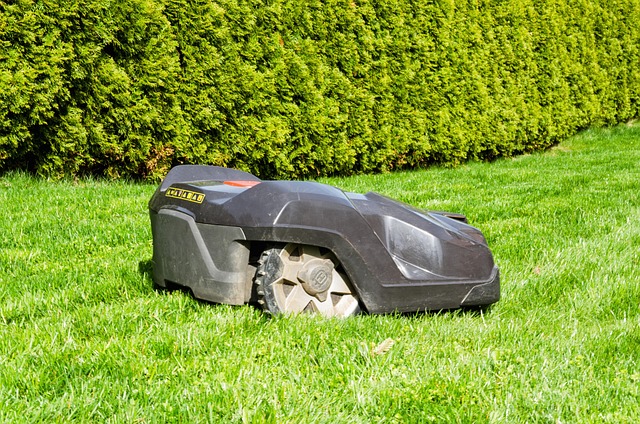
Autonomous Mowing: Husqvarna has explored autonomous mowing solutions, where the mower navigates the lawn independently using sensors and GPS. While still in development for residential use, this technology has potential applications in larger commercial settings.
Efficiency Improvements: Advancements in motor design and transmission systems have led to more fuel-efficient and quieter mowers. Husqvarna’s X-Torq technology, for instance, enhances engine performance while reducing emissions.
Lightweight Materials: The use of lightweight materials like aluminum alloys has improved mower maneuverability and reduced operator strain.
Policy and Regulation
The development and operation of Husqvarna lawn mowers are subject to various policies and regulations that vary across regions. These frameworks ensure product safety, environmental protection, and consumer rights.
Emission Standards: Stringent emission norms in many countries have driven Husqvarna to invest in developing cleaner, more efficient engines. The European Union’s (EU) strict emissions regulations for lawn mowers have been a significant influence on product design.
Safety Regulations: Safety standards mandate the inclusion of features like safety switches, protective enclosures, and proper labeling to prevent accidents.
Waste Management: Proper disposal and recycling of lawn mower components are governed by waste management policies, ensuring environmental responsibility.
Export Controls: International trade regulations may impact Husqvarna’s ability to export certain models or technologies, especially those with dual-use applications.
Challenges and Criticisms
Despite its global success, the Husqvarna lawn mower industry faces several challenges and criticisms:
Environmental Concerns: While Husqvarna promotes eco-friendly products, there is ongoing criticism regarding the environmental impact of gas-powered mowers, including noise pollution and emissions.
Price Sensitivity: High-quality lawn mowers can be expensive, making them less accessible to price-sensitive consumers. Husqvarna must balance product quality with affordability to maintain market share.
Technological Adoption: The adoption of new technologies like smart connectivity and autonomous mowing may be slow due to consumer resistance or initial high costs.
Competition from Local Brands: In emerging markets, local brands offering similar products at lower prices can pose a significant competitive threat.
Actionable Solutions:
Continue investing in eco-friendly technologies to address environmental concerns.
Offer financing options and affordable maintenance packages to cater to diverse consumer segments.
Enhance digital literacy programs to facilitate the adoption of smart connectivity features.
Collaborate with local partners in emerging markets to develop tailored, cost-effective solutions.
Case Studies: Successful Applications
1. Residential Community in California
A sprawling suburban community in Southern California faced a common challenge—maintaining lush, well-manicured lawns despite limited access to water due to drought conditions. Husqvarna’s electric mowers, coupled with smart irrigation systems, became the solution. The community implemented a pilot program, replacing traditional gas mowers with Husqvarna electric models. The results were impressive: reduced water consumption, lower noise levels, and improved air quality. This case study demonstrates how Husqvarna’s eco-conscious solutions can benefit both consumers and the environment.
2. Commercial Landscaping Business in Europe
A large landscaping company in Germany sought to streamline its operations and reduce fuel costs. They invested in a fleet of Husqvarna ride-on mowers equipped with GPS navigation and autonomous mowing capabilities. The result was a significant increase in operational efficiency, as the mowers could mow larger areas faster and more precisely. This case highlights Husqvarna’s ability to cater to commercial needs through innovative technology.
3. Urban Green Spaces Initiative
In collaboration with local authorities in several European cities, Husqvarna participated in initiatives to enhance urban green spaces. Their electric mowers were deployed in parks and public gardens, contributing to quieter, cleaner environments. This partnership demonstrates Husqvarna’s commitment to sustainable urban development.
Future Prospects: Trends and Strategic Considerations
The future of Husqvarna lawn mowers looks promising, with several emerging trends and strategic opportunities:
Sustainability Focus: Environmental sustainability will remain a key focus, driving the development of even more eco-friendly products. Husqvarna can leverage its existing reputation in this area to differentiate itself from competitors.
Smart Home Integration: As smart home technology continues to evolve, Husqvarna may explore integration of its lawn care equipment with popular smart home platforms. This could enable users to control and monitor their lawn care devices remotely via a central smart hub.
Subscription Models: Offering lawn care services on a subscription basis could be a new revenue stream. Customers would pay a recurring fee for regular mowing, maintenance, and battery replacement services.
Global Expansion in Emerging Markets: Expanding into Africa, South Asia, and Southeast Asia presents significant growth opportunities due to increasing urbanization and middle-class populations.
Partnerships with Tech Companies: Collaborating with tech giants can bring advanced connectivity and AI capabilities to Husqvarna’s products, enhancing user experience and productivity.
Conclusion: A Enduring Icon in Lawn Care
The Husqvarna lawn mower has transcended its role as a simple gardening tool, becoming an integral part of modern lifestyles and landscapes. Its global impact, technological innovations, and commitment to sustainability secure its position as a leading brand in the industry. As the market continues to evolve, Husqvarna must stay agile, adapting to changing consumer preferences, environmental regulations, and technological advancements.
By addressing challenges, embracing emerging trends, and fostering strategic partnerships, Husqvarna can solidify its place as an industry pioneer while ensuring long-term success. The future of lawn care is likely to be characterized by smarter, more sustainable, and efficient solutions—and Husqvarna is poised to lead the way.
FAQ Section: Answering Common Questions
Q: Are Husqvarna lawn mowers suitable for small, residential lawns?
A: Yes, Husqvarna offers a range of compact, lightweight lawn mowers designed specifically for small yards. These models are easy to maneuver and suitable for both gas and electric power.
Q: How do I choose the right Husqvarna mower for my needs?
A: Consider factors like lawn size, terrain (level or hilly), preferred power source (gas or electric), and additional features desired (e.g., bagger, mulching kit). Husqvarna’s website provides detailed product information to assist in making an informed decision.
Q: Are Husqvarna lawn mowers easy to maintain?
A: Generally, yes. Husqvarna designs their mowers with regular maintenance in mind, providing clear care instructions and easily accessible service parts. Regular servicing can ensure optimal performance and longevity.
Q: How do I dispose of or recycle an old Husqvarna lawn mower?
A: Local waste management authorities often have guidelines for proper disposal or recycling of large appliances like lawn mowers. Contact your local authority or check the Husqvarna website for information on responsible disposal methods.
Q: Can Husqvarna lawn mowers be controlled via a smartphone app?
A: Many modern Husqvarna models, especially those with smart connectivity features, can be controlled and monitored via a dedicated smartphone app. This allows users to schedule mowing times, receive diagnostics, and track mower location.
Husqvarna's AWD mowers, featuring Power N Play technology, transform lawn care with superior performance on any terrain. Their robust construction and intuitive controls ensure efficient cutting, even on slopes and rough grass, while their…….
Husqvarna's Power N Play mowers offer a seamless blend of performance, playfulness, and security. With advanced GPS tracking and alarm systems, these innovative mowers deter theft while providing peace of mind for homeowners. Tailored to di…….
The Husqvarna Automower is a revolutionary robotic lawn mower that transforms yard care. Power N Play offers these top-quality mowers, featuring smart navigation, efficient cutting, and weather-responsive technology. With easy installation and u…….
Husqvarna's Power N Play technology revolutionizes lawn care by offering superior quality, intuitive controls, and versatile cutting capabilities, making it easier for both professionals and homeowners. Pairing Husqvarna mowers with Fleet S…….
Husqvarna lawn mowers are leading choices for golf course maintenance due to their superior performance and innovative features, backed by a history in outdoor power equipment. The range includes walk-behind and ride-on models with powerful engi…….
The Husqvarna V500 stand-on mower is a revolutionary Power N Play machine, offering exceptional performance and efficiency for complex lawn care. With its robust engine, advanced navigation system, and ergonomic design, it excels in various land…….
The Husqvarna Automower 580 EPOS is a Power N Play lawn care revolution for busy individuals, offering hassle-free and efficient mowing with advanced smart navigation and weather-sensitive technology. Its robust motor, eco-friendly features, and…….
Husqvarna lawn mowers are essential tools for maintaining vast and varied municipal parks. The Power N Play series combines power and versatility, enabling efficient and safe park management. These mowers optimize maintenance, enhance visitor ex…….
The Husqvarna EPOS wire-free mowing system transforms lawn care with its "Power N Play" concept, eliminating tangled wires for a seamless and efficient experience. This innovative technology offers quiet operation, advanced battery man…….
The Husqvarna EPOS wire-free mowing system, powered by Power N Play technology, revolutionizes lawn care with its innovative design and app-controlled GPS navigation. This system offers unparalleled flexibility, convenience, and safety for homeo…….
The Husqvarna EPOS wire-free mowing system offers a revolutionary "Power N Play" experience with advanced battery technology for large yard coverage, and cordless design for agile navigation. The robust motor provides exceptional cutti…….
The Husqvarna CEORA range introduces Power N Play technology for efficient commercial mowing. These robotic mowers offer advanced navigation, robust construction, and intelligent features suitable for diverse lawn care needs, from small to large…….
Husqvarna Lawn Mowers are renowned for durability, performance, and innovative design, catering to various needs with compact to heavy-duty models. Their Power N Play line features solar-compatible mowers that offer eco-friendly solutions with r…….
The Husqvarna Lawn Mower is renowned for its high-performance and durable design, making it a leading choice for efficient lawn care. It offers advanced engineering for precise cutting, minimal noise, and energy efficiency while prioritizing use…….
The Husqvarna Lawn Mower CEORA series offers a revolutionary "Power N Play" experience with advanced cutting technology, silent operation, and smart navigation via sensors and GPS. Ideal for both residential and commercial use, these c…….
The Husqvarna Lawn Mower 580 EPOS is a cutting-edge, efficient lawn care solution featuring GPS navigation, smart sensors, and remote control via the 'Power N Play' app. Established in 1947, Husqvarna is a leader in sustainable outdoor…….
The Husqvarna Lawn Mower is a top choice for golf course maintenance due to its powerful, compact engines, advanced technologies like Power N Play for maneuverability, durable construction, and varied models tailored to different landscape needs…….
Sloped lawns present challenges with uneven terrain and inclines, making conventional mowers ineffective. Husqvarna's Power N Play line offers high-torque engines and adjustable deck heights for tackling slopes. These mowers provide precise…….
Husqvarna Lawn Mowers stand out for their superior performance, durability, and innovative features like Power N Play technology. These zero-turn mowers offer excellent control and maneuverability on diverse terrain, ensuring pristine results fo…….
Husqvarna Lawn Mowers offer superior quality and performance for both small and large yards, featuring innovative Zero Turn technology for precise cuts and easy navigation around obstacles. The Power N Play series provides powerful engines and e…….